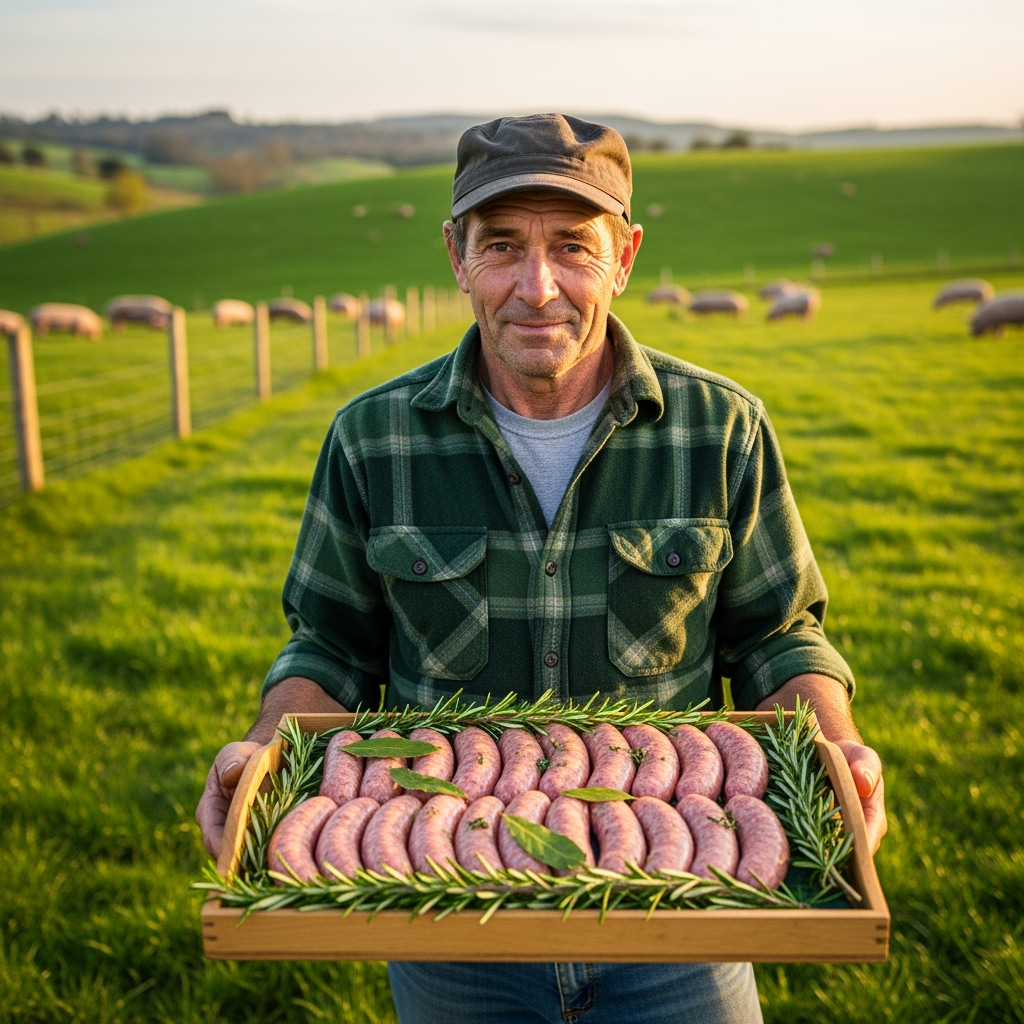
I’ve been on a mission to find real, flavorful meat that I can trust, which is why pasture-raised pork sausages in Atlanta, GA caught my eye. Choosing pasture-raised options is about more than taste: it’s about animal welfare, transparent farming, and knowing where your food comes from. For a quick read on food safety basics and handling meat at home, I often reference the U.S. Department of Agriculture homepage for guidelines and general best practices (USDA).
What “Pasture-Raised” Actually Means
When farmers say “pasture-raised,” they mean pigs spend a significant portion of their lives outdoors, grazing and foraging on a natural landscape rather than being confined to indoor systems. This differs from “free-range,” “organic,” or “conventional” labels in how much time animals spend on pasture and whether their diets are supplemented with grains. In my experience, pasture-raised pork has a firmer texture and a deeper flavor because the animals are more active and eat a varied forage-based diet.
Why Pasture-Raised Pork Sausages Stand Out for Atlanta Home Cooks
Atlanta cooks have a lot to gain from pasture-raised pork sausages. First, the flavor profile is richer and less fatty than many mass-produced links, which makes them perfect for grilling in summer, simmering into a spicy tomato ragu in fall, or searing for a quick weeknight plate. Second, pasture-raising tends to reduce the need for routine antibiotics, which is important for people who care about antibiotic stewardship. Third, local pasture-raised products support smaller farms that often reinvest in regional food systems and local jobs.
Flavor and Texture
A well-made pasture-raised sausage will have a balanced blend of meat to fat, a coarse grind, and bold seasoning that lets the pork shine instead of masking it. You can taste the difference when your sausages are made from animals raised on diverse forage and allowed to roam; the meat isn’t overly processed and retains a natural pork flavor with subtle complexity.
Health and Nutrition
Pasture-raised pork can offer a different fat profile than conventionally raised pork, sometimes showing higher levels of omega-3 fatty acids and vitamin D when animals have regular access to sunlight and green forage. While sausages are still a prepared product and should be enjoyed in moderation, picking pasture-raised versions can be a meaningful part of an overall healthier eating pattern.
How to Spot High-Quality Pasture-Raised Sausages in the City
Shopping in Atlanta—whether you’re near Midtown, Buckhead, Decatur, or Westside—means you’ll see a mix of claims. Here’s how I evaluate a sausage before it goes in my cart:
- Look for clear sourcing: the package or vendor tells you where the pigs were raised and how they were fed.
- Check the ingredient list: fewer additives and recognizable seasonings are better; avoid long chemical names you can’t pronounce.
- Ask about processing: smaller, local processors often use coarse grinds and traditional casings that improve texture.
- Smell and color: a fresh pork sausage should not have an off-odor and will have a natural pink to rosy color depending on seasoning.
Where to Find Pasture-Raised Pork Sausages Near Atlanta
Atlanta’s food scene has evolved: more neighborhood markets, farmers markets, and local food hubs carry pasture-raised meat. If you live or spend time in Decatur, Grant Park, or East Atlanta Village, check weekend markets and farm stands where producers bring small batches. Some chefs and restaurants in the city’s neighborhoods also source pasture-raised sausages for their menus, creating another pathway to sample before buying.
Buying Direct from Farms and Local Food Hubs
Buying directly from regional farms or signing up for a community-supported agriculture (CSA) box is one of the best ways to ensure you’re getting pasture-raised pork sausages. Many farms post availability and pickup locations online, and some offer delivery across the metro area. If you prefer a brick-and-mortar option, specialty butchers and select grocers often carry rotating stock from nearby farms.
Two Trends Shaping Pasture-Raised Meat in 2025
I’m watching two trends closely because they’ll shape how Atlantans buy pasture-raised pork in the near term:
- Regenerative agriculture and soil health: Farmers are increasingly marketing the ecosystem benefits of pasture-based systems—like improved soil carbon and biodiversity—which resonates with consumers who want environmental impact paired with great taste.
- Traceability tech: More producers now use QR codes or track-and-trace labels so buyers can learn the animal’s story—where it lived, what it ate, and who processed it—right from a smartphone. That transparency is a major trust-builder for city shoppers.
Practical Cooking Tips for Pasture-Raised Sausages
Pasture-raised sausages cook similarly to other links, but I treat them with a bit more care because their texture and seasoning are often more nuanced. Here are simple steps I use at home to get consistent results:
- Start cold: Keep sausages cold until just before cooking to prevent the casing from splitting prematurely and to maintain texture.
- Low and slow then finish high: When grilling or pan-searing, begin over medium-low heat to render fat slowly, then finish over higher heat for a crisp exterior without drying the interior.
- Use a thermometer: Aim for an internal temperature of 160°F (71°C) for pork sausages to ensure safe doneness while keeping juiciness.
- Rest briefly: Let sausages rest a few minutes after cooking to redistribute juices for a better bite.
How Local Farms and Suppliers Solve Common Pain Points
Buying pasture-raised meat in a metro area comes with challenges: inconsistent supply, variable labeling, and price. Here’s how local farms and trustworthy suppliers address those issues and how I navigate them as a buyer. Many farms offer preorders or subscription boxes to manage demand and reduce waste. They often partner with local processors to keep processing consistent and transparent, which helps customers get a predictable product from week to week. Pricing is higher than commodity meat, but I’ve found several ways to balance cost without losing quality—buying in bulk, splitting an order with friends, or choosing mixed boxes that include ground pork as well as links so every dollar stretches farther.
Actionable Steps to Get Consistent Supply in Atlanta
Here’s a short plan I recommend if you want reliable pasture-raised sausages in this area:
- Sign up for farm newsletters or follow local producers on social media to hear about drop dates and markets. Many announce stock weeks ahead.
- Use preorder windows or subscription services so farms can plan slaughter and processing; this stabilizes supply and often saves money.
- Coordinate with neighbors—splitting a half or whole hog order lowers cost per pound and supports the farm’s planning.
- Support vendors who provide clear labeling and are willing to answer questions about animal care and processing.
Safety, Storage, and Shelf Life
Handling pasture-raised sausages at home follows the same safety rules as other fresh pork products, but I keep a couple extra habits that preserve quality. Always refrigerate within two hours of purchase, and freeze any links you won’t use within three days. Label packages with the date and plan meals so frozen sausages are used within three months for best flavor. When thawing, do so overnight in the fridge rather than at room temperature to maintain food safety. And if a sausage smells sour or ammonia-like after thawing, discard it—trust your senses.
Local Flavor Ideas That Highlight Pasture-Raised Pork
One of the best parts of having a high-quality sausage is how versatile it is across cuisines. In the city I live in, folks cook them a variety of ways that celebrate bold flavors and seasonal produce. Try a simple skillet with stone-ground mustard, braised greens, and roasted yams for a Southern-inspired plate, or stuff links into a crusty roll topped with pickled peppers for a street-food vibe. A classic cassoulet or a quick pasta with browned sausage, cherry tomatoes, and torn basil works beautifully when the sausage is thoughtfully made.
How to Ask the Right Questions When Buying
When I talk to a farm stand vendor or a butcher, these are the questions that help me decide fast and feel confident about my purchase. Ask how long the pigs were on pasture, whether they were given routine antibiotics or hormones, who processed the meat, and how often the farm does smaller batch runs versus large-scale production. Vendors who are transparent and eager to walk you through the process typically provide a higher-quality product and build trust over time.
Wrapping Up and Where to Go Next
If you’re curious about tasting pasture-raised pork sausages in the Atlanta area, start by trying a small package and preparing it simply so the pork’s character can shine. Look for vendors who share clear sourcing information and consider signing up for preorder lists to ensure consistent access. Two trends—regenerative farming practices and traceability tech—are making it easier than ever to connect taste with ethics and impact, and Atlanta’s food community is increasingly embracing those changes.
Ready to explore a local source and order pasture-raised pork sausages in Atlanta, GA? Visit Caribe United Farm to see their current selections and pickup options; they offer pasture-based pork sausages and ground meat for customers across the region. Caribe United Farm