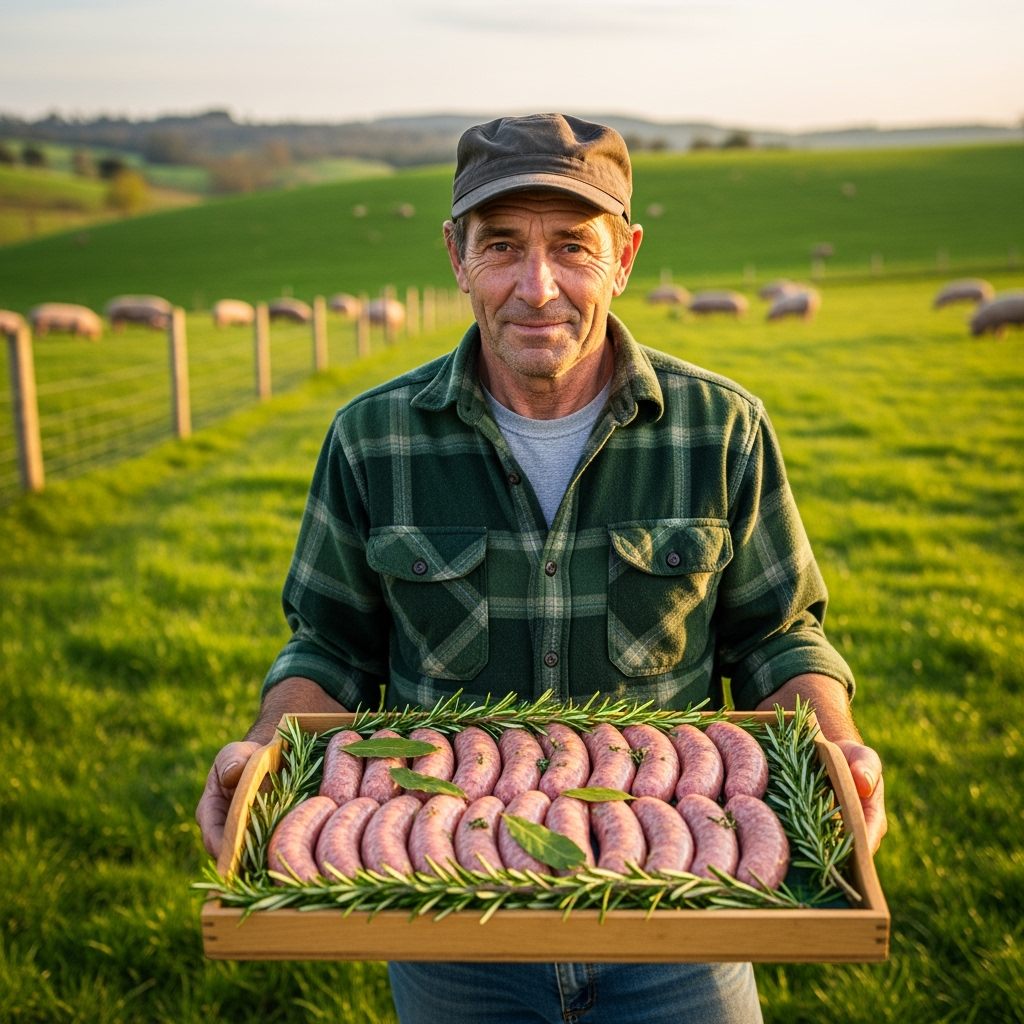
If you’re a home cook or restaurant chef who cares about flavor, ethics, and local sourcing, I want to talk about pasture-raised pork sausages in Atlanta, GA and why they’re worth tracking down. I’ve been paying attention to how meat is raised and sold for years, and the clearer supply chains and transparent practices promoted by organizations like the U.S. Department of Agriculture mean more people in the city can choose better pork with confidence — learn more at USDA.
What “pasture-raised” means — and why it matters
Pasture-raised pork comes from pigs that spend a meaningful portion of their lives outdoors on pasture. That matters because animals that forage and root naturally develop different muscle structure and fat distribution than animals raised in confinement. For cooks in Atlanta’s neighborhoods — from Midtown to East Atlanta Village — that translates into sausages with more depth of flavor, a pleasing texture, and fat that behaves differently on the pan or grill.
It also matters beyond taste. Pasture systems, when managed well, can improve soil health and reduce the need for chemical inputs. For consumers who want to reduce the environmental cost of their meals, choosing pasture-raised is one practical way to act on that value.
How pasture-raised pork sausages taste and cook differently
I always tell people to expect a few consistent differences. First, a pasture-raised sausage often has a more pronounced pork flavor. Because the animals eat a varied diet that includes grasses, roots, and forage, the meat can carry subtle grassy or nutty notes. Second, the fat tends to be firmer and more flavorful, which affects browning and mouthfeel. Third, sausages made from pasture-raised animals can feel less greasy while still tasting rich, because the fat melts in a way that coats rather than saturates the palate.
Cooking tips that work well for pasture-raised sausages:
- Start over medium heat and allow the casing to brown slowly so the rendered fat can flavor the pan without burning.
- Use a lid for the first part of cooking if the sausage is thicker; steam helps cook through without drying the meat.
- Rest the sausages briefly after cooking to let juices redistribute — this reduces dryness and concentrates flavor.
Buying locally in Atlanta: what to look for
When I shop locally, I read labels and ask a few direct questions. Not every label uses “pasture-raised” consistently, so ask the farmer or vendor where the pigs spend their time, what they eat, and whether the sausages are made on-farm or processed elsewhere. Transparency is a hallmark of trustworthy producers.
Here are practical things to ask when buying:
- Are the pigs raised outdoors year-round, seasonally, or only for brief periods?
- Is the sausage made with whole-muscle pork, or is it a processed blend?
- How is the pork seasoned, and are any preservatives or fillers added?
Shopping at farmers markets in neighborhoods like Decatur, Virginia-Highland, or near the Westside Market can put you face-to-face with producers who will answer these questions. If you prefer online ordering, look for farms that publish photos, farming practices, and processing details so you can evaluate the product remotely.
Health, safety, and nutrition — what science says
Nutrition conversations around pork can get complicated, but pasture-raised meat often shows benefits in fat composition compared with conventionally raised animals. The presence of omega-3s and certain fat-soluble nutrients can be slightly higher when animals have access to pasture. From a safety standpoint, following standard meat-handling practices — keeping pork cold, searing to the right internal temperature, and avoiding cross-contamination — keeps your kitchen safe regardless of how the animals were raised.
Because food safety guidance evolves, I point readers to trusted institutions like the USDA for the latest recommendations on handling and cooking meat safely.
How local chefs and home cooks are using pasture-raised sausages
In Atlanta’s vibrant food scene, I’ve noticed chefs embracing pasture-raised sausages for two reasons: flavor and story. A well-made pork sausage can anchor a casual sandwich, round out a seasonal stew, or be the centerpiece of a simple grilled dinner. For home cooks, the sausage offers an easy way to introduce better pork into weeknight meals without complicated butchery skills.
Recipe ideas I often recommend:
- Sautéed sausage with caramelized onions, served over creamy polenta for a cozy neighborhood dinner.
- Charred sausage sliced into salads or grain bowls for a protein boost with big flavor.
- Slow-roasted sausages tucked into winter soups with beans and greens for a stick-to-your-ribs meal.
Sustainability trends shaping pasture-raised pork
Two trends I’ve followed closely are regenerative agriculture and supply chain transparency. Regenerative approaches focus on soil health, biodiversity, and carbon sequestration — practices that many pasture-focused pork producers are adopting. Consumers in the city increasingly ask for traceability: who raised the animals, how they were managed, and how the meat was processed. Farmers who share those details earn the trust of urban buyers.
Another local trend is direct-to-consumer sales and subscription boxes. Buyers in Atlanta often prefer ordering a share of a farm’s meat seasonally, which helps smaller producers plan and reduces food waste. The rise of popup farmers markets and community-supported agriculture pickups has made accessing pasture-raised products easier than before.
Why this matters to Atlanta neighborhoods
Atlanta’s food scene spans upscale dining in Buckhead to grassroots pop-ups in neighborhoods like Reynoldstown. Pasture-raised producers who connect with local chefs and markets help diversify the city’s offerings and support small-scale agriculture in the surrounding region. That direct line from farm to table also keeps more of the food dollar in local economies, which benefits both rural producers and urban communities.
Common buyer concerns and how farms address them
People often raise three main concerns: price, availability, and consistency. It’s true pasture-raised pork can be pricier because of slower growth cycles and higher labor inputs, but you’re often paying for better animal welfare and flavor. Availability can be intermittent if farms manage small herds; seasonal buying or sharing a whole hog portion can be a cost-effective strategy. Consistency is improved when farms standardize their sausage recipes and share processing information, so kitchens know what to expect.
When I talk to vendors, they usually recommend committing to a regular pickup or joining a mailing list to stay informed about product drops and seasonal runs. That’s how many Atlanta cooks score the best batches.
How to store, freeze, and reheat pasture-raised sausages
Proper storage extends flavor and reduces waste. Fresh sausages should be refrigerated and used within a few days, or frozen for longer-term storage. If freezing, I recommend vacuum sealing or wrapping tightly to prevent freezer burn. Thawing slowly in the refrigerator overnight results in better texture than microwaving from frozen.
Reheating tips: gently reheat slices in a pan with a splash of stock or water and a tight-fitting lid to preserve moisture, or use a low oven to bring whole sausages back up to serving temperature without overcooking.
Actionable steps to buy smarter in Atlanta
If you’d like to switch to pasture-raised pork sausages this month, here’s a simple plan I use:
- Identify local pickup points and farmers markets that list vendors’ practices online or in vendor profiles.
- Ask producers directly about feeding and pasture access, and request ingredient lists for their sausages.
- Buy a small amount first to test flavor and cooking behavior, then scale up when you find a producer you trust.
- Consider sharing a bulk purchase with friends or neighbors to save money and ensure you use everything.
Where pasture-raised pork sausages fit in a balanced diet
I believe good food choices are about balance, not perfection. Pasture-raised sausages can be part of a nutrient-dense diet when paired with vegetables, whole grains, and legumes. Because they tend to be flavorful, you often need less salt and fewer condiments to make a satisfying meal, which is a health benefit in itself.
Final thoughts and how to get started
If you live in Atlanta and are curious about pasture-raised pork sausages, start small and make a few meals that highlight the meat rather than mask it. Try simply grilled links with a bright slaw, or slice sausage into stews and beans where the quality of the pork can shine through. Expect a difference in flavor and texture, and prepare to make it a regular part of your meal rotation if you like richer, more nuanced pork.
For reliable pasture-raised options that ship to the Atlanta area, take a look at producers who publish their practices and offer direct ordering or market pickups. Building a relationship with a farmer or vendor will pay off in better meals and more predictable access to seasonal runs of sausage.
When you’re ready to buy, check availability, drop-off points, and seasonal offerings from local farms online. If you prefer to order a curated selection or want sausages bundled with other pasture-raised cuts, many farms provide easy ordering options and regional delivery or pickup plans that fit busy city schedules.
Thanks for reading — eating more intentionally doesn’t have to be complicated, and choosing pasture-raised pork sausages is an easy, flavorful step you can take this week to support better farming and better meals in Atlanta.
To explore pasture-raised pork products and order directly, visit Caribe United Farm.